
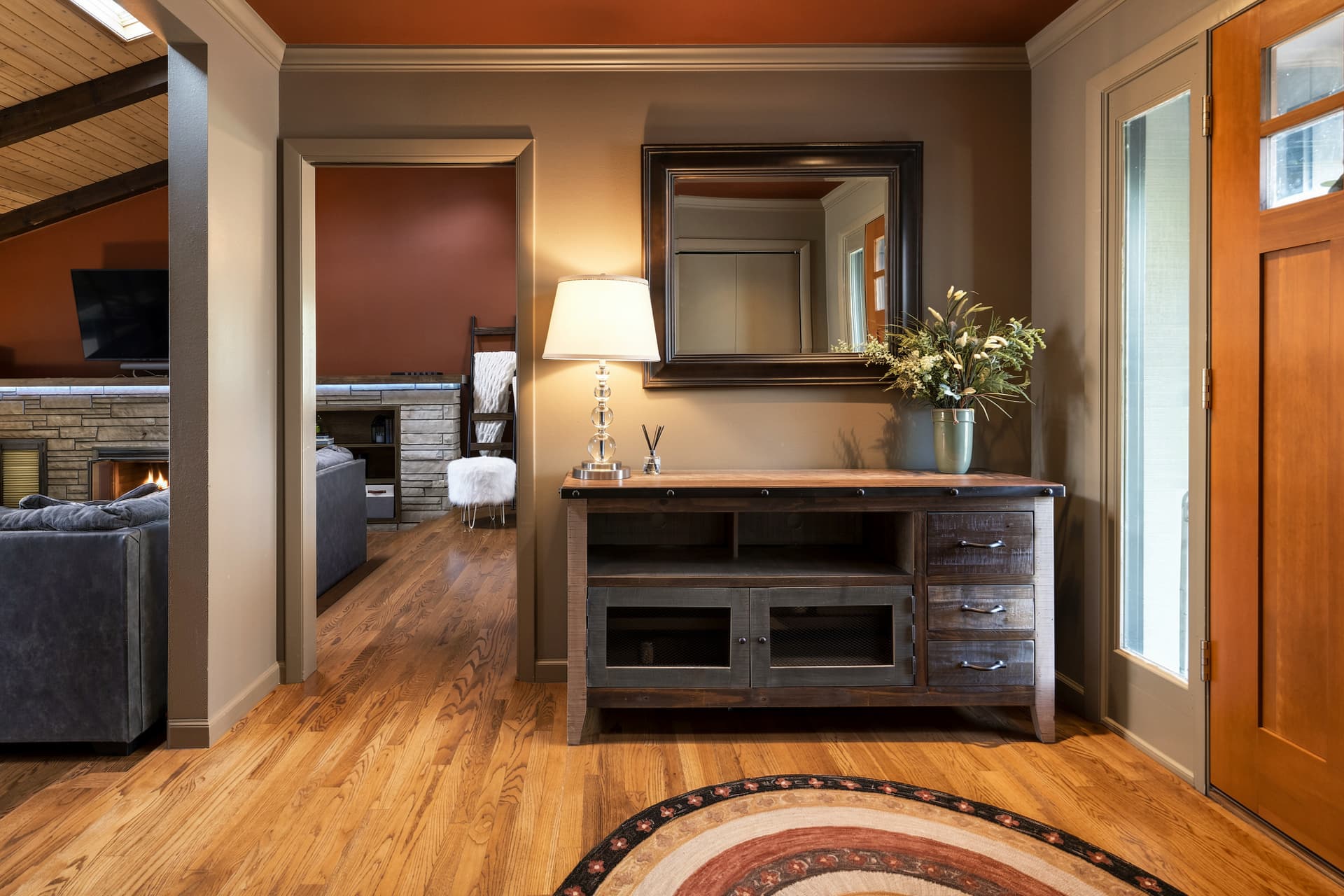
Buyers make a rapid, emotional read of a property before they read its floor plan or price. The first images or the opening frames of a video establish tone: is this a refined mountain retreat, a light-filled Fort Collins bungalow, or an efficient downtown condo? When media is composed with intention, it does three practical things: it clarifies value, sets expectations, and lowers cognitive friction so buyers move from curiosity to a contact or a showing.
This is not philosophy; it’s practice. How you choose and present a hero image, whether you open a film on a human moment or an architectural detail, and whether you use a single drone still to establish context—all of these choices change what a buyer notices next.
The visual cues the brain uses
Visual perception relies on a few reliable signals:
• Focal hierarchy: the eye seeks a primary subject. A clear hero element (fireplace, mountain view, distinctive facade) anchors attention.
• Light and shadow: natural, directional light reads as honest and legible. Soft, even interior light reduces doubt about room size and finishes.
• Context and scale: cues like neighboring trees, a street, or a river show lot size and orientation without guessing.
• Human presence or absence: including subtle human elements (a set table, a towel on a rail) invites imaginative inhabiting; an empty room emphasizes architecture.
When these signals align, buyers form a clean mental model of the property faster—and that often means they’ll click through, save the listing, or request a tour.
Choosing the right hero image
Not every listing needs the same hero. The hero should answer the buyer’s primary question at a glance. Ask: what makes this property unique? For Northern Colorado, the answer often falls into one of several categories: mountain or foothill views, river/irrigation access, acreage and agricultural context, or proximity to downtown centers. Match the hero to the dominant value driver.
Practical hero-image guidance:
• Exterior-first homes (ranches, mountain parcels): lead with a wide, clean exterior or a drone shot that shows topography and approach.
• Urban and infill homes (Fort Collins, Loveland): use a street-facing or lifestyle exterior that shows walkability and neighborhood character.
• Light-driven interiors (contemporary remodels, open plans): pick an interior hero that shows flow and natural light—often the living area or kitchen framed toward a view.
• Story-driven luxury: use a cinematic still that isolates craftsmanship (staircase, artisan detail) to suggest depth.
Shoot timing and lighting
Natural light is decisive. For Northern Colorado, that means thinking seasonally: fall’s warm side-light, winter’s clean low-angle sun, and summer’s consistent midday brightness. Schedule exteriors near golden hour for warmth and interiors mid-morning to early afternoon when light fills rooms.
Practical scheduling rules:
• Start exteriors ~45–60 minutes before sunset for warm, directional light and safe twilight captures if needed.
• Interiors are best shot when the primary windows face bright, diffused daylight—typically late morning.
• If a property faces east or west, choose morning or late afternoon to leverage directional light and avoid blown highlights.
Staging and preparation that matter
Preparation is about removing doubt and highlighting intent. A buyer’s brain looks for problems as quickly as it looks for assets. Reduce the friction.
A concise prep checklist for agents (give to sellers):
• Declutter horizontal surfaces. Remove personal photos and excess decor.
• Define a primary focal point in each room (a bed, a fireplace, a dining table) and stage minimal, high-contrast items to emphasize it.
• Clear sightlines to windows and views—trim exterior plants that block important vistas.
• Set thermostats and remove visible cords or equipment.
• For exteriors: mow, sweep, stage a porch chair or fire pit to suggest use without crowding.
• Provide quick access to key features: pool controls, garage openers, HVAC manuals.
Media strategy by property type
Match your media to the property’s market role. A one-size-fits-all package dilutes impact.
• Ranches and acreage: hero drone still + cinematic exterior-to-interior sequence. Aerials establish scale and access; a short film can show approach roads and outbuildings.
• Mountain-view homes: exterior hero at golden hour, interior images that orient toward the view, and a 60–90 second cinematic video that opens on the vista and draws inward.
• Suburban move-up homes: crisp interior photography, a lifestyle hero of kitchen/dining flow, and short verticals for social channels highlighting kid-friendly or entertaining spaces.
• Urban condos: street‑level context shots, amenity stills, and a brisk walkthrough video emphasizing flow and building features.
Cinematic storytelling: structure and choices
When you choose video, structure matters. Think like a short film rather than a checklist.
• Opening (3–6 seconds): set context—a drone arc over foothills, a close detail of handcrafted wood, or a human moment like a door opening to light.
• Discovery (20–40 seconds): reveal primary living spaces in a paced sequence. Use deliberate camera moves, natural sound, and one or two lines of titling (neighborhood, special features).
• Use cases (10–20 seconds): show how spaces are used—cooking, entertaining, relaxing—without staging every frame.
• Close (5–10 seconds): end on the strongest emotional anchor (sunset over the ridge, a warm hearth, an inviting porch) and a simple brand slate.
Keep pacing intentional: linger when the view matters, move briskly through transitional spaces.
Agent branding without distraction
Branding should be confident and subtle. The media’s job is to sell the property; your personal brand’s job is to signal credibility.
• Thumbnails and hero treatments: use a consistent thumbnail style (crop, color grade, subtle logo placement) so viewers recognize your listings in feeds.
• Intro/Outro: a short branded slate and a 1–2 second agent logo are sufficient. Avoid intrusive lower-thirds through property footage.
• Signature color palette: work with your photographer/videographer on a consistent grade that complements the property and your brand materials.
Social repurposing: make first impressions multiply
A listing’s hero image and opening video frames are your social currency. Repurpose them with intention:
• Instagram/Facebook: hero image as carousel first slide, followed by lifestyle and detail shots. Use captions to tell a two-sentence story: "A foothills approach, a bright kitchen, and space for horses." (Tailor language to the property.)
• Reels/TikTok: repurpose the opening 6–12 seconds of your cinematic film as a vertical hook—then cut to quick lifestyle clips.
• Stories and Ads: use a single strong aerial or twilight to anchor paid placements and add one interior still for credibility.
Examples from Northern Colorado (what to lean into)
• Foothill and mountain adjacency: emphasize ridgeline orientation and approach. Buyers here value light, access, and foreseeable views—use aerial context early.
• Riverfront and water access: show actual access points and safe approach lines; a single drone still clarifies riparian boundaries better than multiple interior shots.
• Downtown-adjacent homes: highlight walkable streetscapes and front porches—people here buy place as much as product.
Tradeoffs to acknowledge
Every media decision has a tradeoff: a dramatic twilight exterior can be cinematic but risks confusing buyers if interior light differs; a heavy cinematic grade can drain color accuracy. Be candid with sellers: our goal is to make the property compelling and honest. If a feature will be limiting (small yard, low ceilings), show functional truth with flattering composition rather than conceal it.
Checklist: Booking your next shoot (what to confirm with Helios)
• Primary marketing objective (quick sale, aspirational positioning, price bracket).
• Key value drivers (view, land, craftsmanship, neighborhood).
• Preferred hero (exterior drone, interior kitchen, twilight facade).
• Staging and prep responsibilities (seller vs. agent).
• Shoot window availability for optimal light.
Closing: intentional media wins first impressions
When media is intentional—when hero images and opening frames are chosen to answer buyers’ first questions—you reduce friction, frame value, and create a memorable first impression that lasts beyond a single scroll. In Northern Colorado, where landscape and place carry so much of a property’s value, that first impression often decides whether a buyer calls for a showing.
If you’d like a practical next step, explore the Helios services that match the strategies above, view related portfolio examples, or book a media strategy session to plan the hero image, timing, and deliverables for your next Northern Colorado listing.