
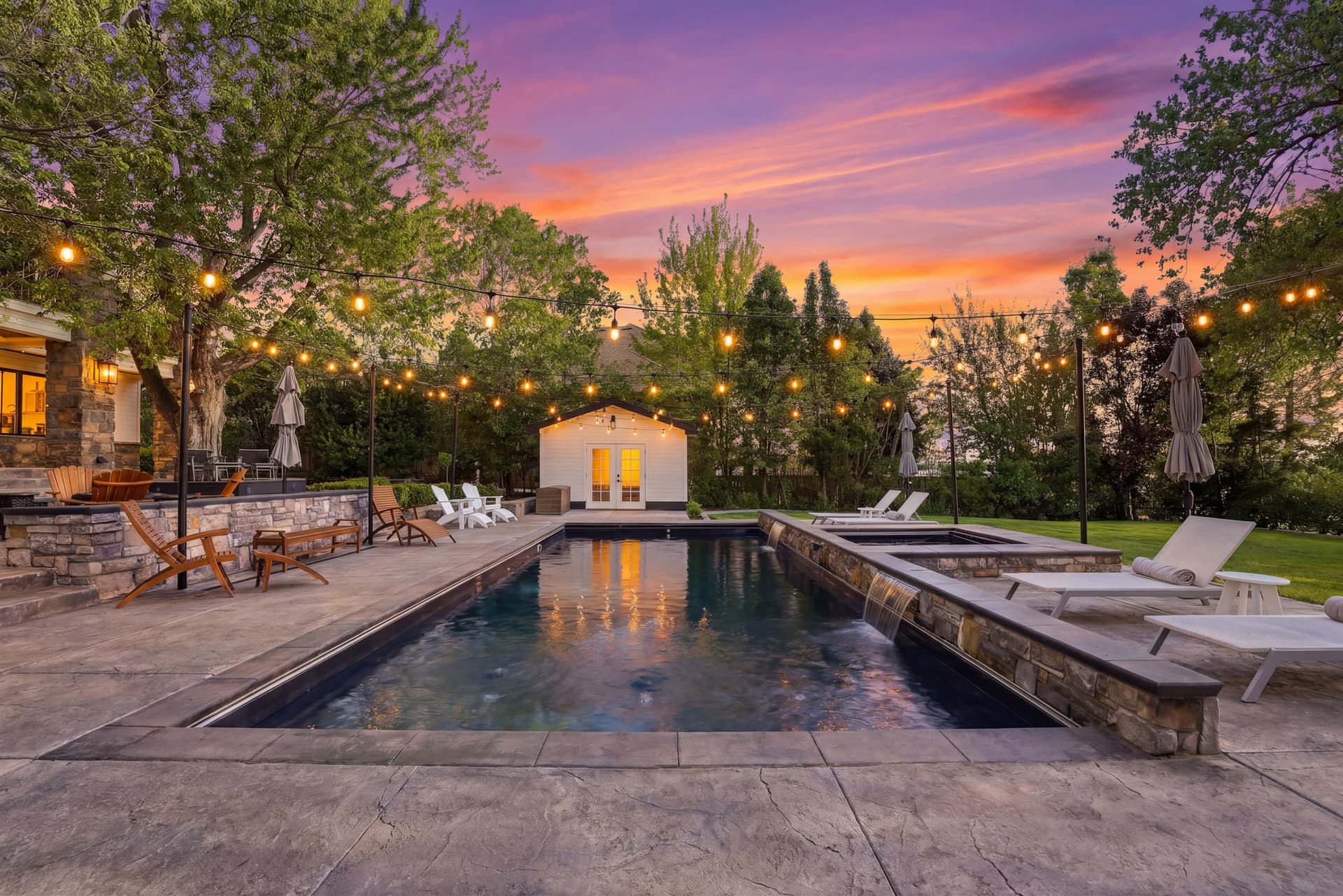
Do Twilight Photos Help or Hurt a Listing?
Twilight — often called blue hour — is a small window of time that can produce cinematic, mood-rich images. For many listings, a well-crafted twilight shot becomes the hero image that draws attention. For others, it can obscure condition, mislead viewers, or feel incongruent with the rest of the gallery.
This guide is practical: when twilight helps, when it doesn’t, and how to execute it without sacrificing accuracy or credibility.
What we mean by "twilight"
Twilight or blue-hour photography generally refers to exterior images taken after sunset or before sunrise, when ambient light is low but there is still enough sky color to create contrast with artificial lighting. It’s distinct from nighttime photography (very dark skies) and daytime photography (direct sunlight or overcast light).
Why agents choose twilight
• Emotional impact: twilight images often feel cinematic — they highlight warm interior and exterior lights against a cool sky, which can make a property feel inviting.
• Emphasizes lighting and landscaping: exterior fixtures, pool lights, and thoughtfully lit façades read beautifully in low light.
• Differentiation in crowded markets: a striking twilight hero can increase clicks and social reach when done tastefully.
Risks and when twilight can hurt
• Obscured details: low light can hide exterior condition issues (roofing, siding, landscaping inaccuracies). If the daytime gallery later reveals problems, buyers may feel misled.
• Incongruent story: if the rest of the gallery is bright, modern interiors shot in daylight, a moody twilight hero can create an odd mismatch and reduce trust.
• Over-processing: heavy color grading, unrealistic skies, or exaggerated glow looks unprofessional and can backfire.
• Not appropriate for all property types: small, urban condos without drama in the exterior, vacant lots, or properties where daylight curb appeal is the selling point are often better served by daytime images.
Use twilight strategically — recommended approach
1. Make daytime the default
• The primary exterior image in MLS and for most listing platforms should usually be a clear daytime shot that accurately represents condition and curb appeal.
2. Use twilight as a secondary hero
• Reserve the twilight shot for marketing materials (social ads, brochures, lifestyle features) where mood and differentiation matter. It can be the first image on a single-property website or a prominent image on social channels, but ensure the gallery contains straightforward daytime photos.
3. Match gallery tone
• Coordinate color and brightness across interiors and exteriors so the viewer’s experience feels cohesive. If you lead with twilight, follow with other moody images or provide an immediate daylight alternate.
4. Be transparent
• Avoid deceptive edits that change property condition or remove visible elements. If significant retouching is used, keep it subtle and honest.
Technical considerations and best practices
• Schedule precisely: twilight windows are short. Scout the site in daylight to pick angles and test sightlines so the shoot runs efficiently.
• Balance exposures: bracket exposures or shoot tethered to capture both sky color and lit façades. Composite exposure blending is common; do it to preserve detail, not to fabricate light sources.
• Control light sources: turn on all exterior and key interior lights during the shoot. Check for unintentional light color mixes (different bulb temperatures) and address them with gels or in post.
• Mind white balance: daylight-balanced scenes and tungsten-lit interiors will conflict. Set white balance for the mood you want but avoid extremes that look unnatural.
• Use a tripod and low ISO: keep the image clean and sharp while allowing for longer exposures.
• Consider fill lighting: small, controlled exterior flashes or LED panels can help define architecture without flattening the scene.
• Drone twilight: drone work is cinematic but requires additional planning — battery performance can suffer in cooler evenings, and local regulations or FAA rules apply. Avoid flying over crowds or neighbor properties without permission.
Editing and ethical guidelines
• Preserve truth: editing should enhance clarity and mood, not hide flaws. Don’t remove structural defects or alter property features in ways that misrepresent the listing.
• Avoid dramatic sky replacements unless clearly disclosed and consistent with the seller’s expectations and local MLS rules.
• Keep color realistic: oversaturated blues or orange glows may attract attention but can erode credibility.
How to present twilight in marketing
• Primary MLS image: usually daytime. If you choose twilight as the MLS hero, include a clear daytime exterior within the first three images.
• Social media: twilight is effective for paid ads and organic posts. Use it to tell a short visual story — evening entertaining, poolside lifestyle, or architectural drama.
• Print and web collateral: twilight works well on brochures, property websites, and email headers. Pair it with concise, accurate captions.
Sample captions and copy
• Straightforward MLS caption: “Exterior view — daylight photograph shows condition and layout. See gallery for twilight imagery.”
• Social caption idea: “A different hour, a different mood. See this home lit for evening comfort — tour link in bio.”
• Lifestyle angle: “Evening gatherings feel effortless here — warm terraces and professionally lit landscapes set the scene.”
Checklist for a successful twilight shoot
• Scout location in daylight and choose angles
• Coordinate seller, neighbors, or property manager for lighting access
• Turn on all exterior and significant interior lights
• Bring tripod, bracketed exposures, and fill lights
• Shoot RAW, bracket, and tether if possible
• Capture a clear daytime exterior for comparison
• Edit conservatively; avoid deceptive retouching
• Deliver both twilight and daytime files to the agent for flexible use
Decision framework for agents and sellers
• Use twilight if the property benefits from controlled lighting (pools, façades, gardens, outdoor entertaining areas) and you plan a balanced gallery that includes accurate daytime views.
• Avoid twilight as the only exterior presentation if the property has condition sensitivities, or if the marketplace expects transparent daytime representation.
Final thought
Twilight photography is a tool — powerful when used deliberately and honestly. It can add cinematic appeal and emotional resonance to a campaign, but it should complement, not replace, clear, accurate daytime imagery. When executed with technical care and ethical restraint, twilight photos help listings by enhancing storytelling while preserving credibility.