
Introduction
Photography documents. Cinematic property storytelling presents—using intent, pacing, and visual craft to invite a buyer into a plausible life at the home. In Northern Colorado, where mountain light, varied architecture, and outdoor lifestyle are market signals, a short cinematic film can clarify why a house matters beyond square footage: the view at sunrise, the flow from kitchen to deck, the way a riverfront lot frames a weekend ritual.
This article is practical. No theory-heavy claims—just repeatable guidance you can use on your next listing: how to plan a cinematic shoot, what to prioritize by property type, how to prepare clients, and how to convert a single film into listing and social assets that support showings and strengthen your listing presentation.
Why cinematic matters (and when it doesn’t)
A cinematic approach is about controlled attention. Thoughtful camera movement, deliberate framing, and sound design emphasize moments buyers remember: a chimney flaring on a cold morning, light spilling across a concrete countertop, the opening of double doors onto the river. Use cinematic video when a property's value depends on atmosphere, lifestyle, or craftsmanship—luxury homes, architecturally significant properties, homes with expansive views or compelling site context.
Cinematic is not always the right choice. For quick turn listings, modest homes priced for rapid sale, or listings where the floor plan and condition are the core factors, a concise walkthrough plus high-quality stills may be the most efficient route. Be candid with sellers about cost, prep needs, and timing.
Anatomy of a concise cinematic property film (60–90 seconds)
• Opening (5–10 seconds): Establish place and scale. A calm exterior or aerial establishing shot sets context—neighborhood, foothills, riverfront—so the buyer knows where the story lives.
• Entry beat (10–15 seconds): The first interior impression. Slow dolly or gimbal work through the front door, focusing on the threshold detail that signals craft: a custom door, a sunlit stair, or a view framed by the entry.
• Hero moments (20–30 seconds total): Three or four curated scenes that define the property—kitchen island, master suite with mountain view, a private yard, or an artisan fireplace. Use deliberate pacing: linger slightly on tactile details and transitions between spaces.
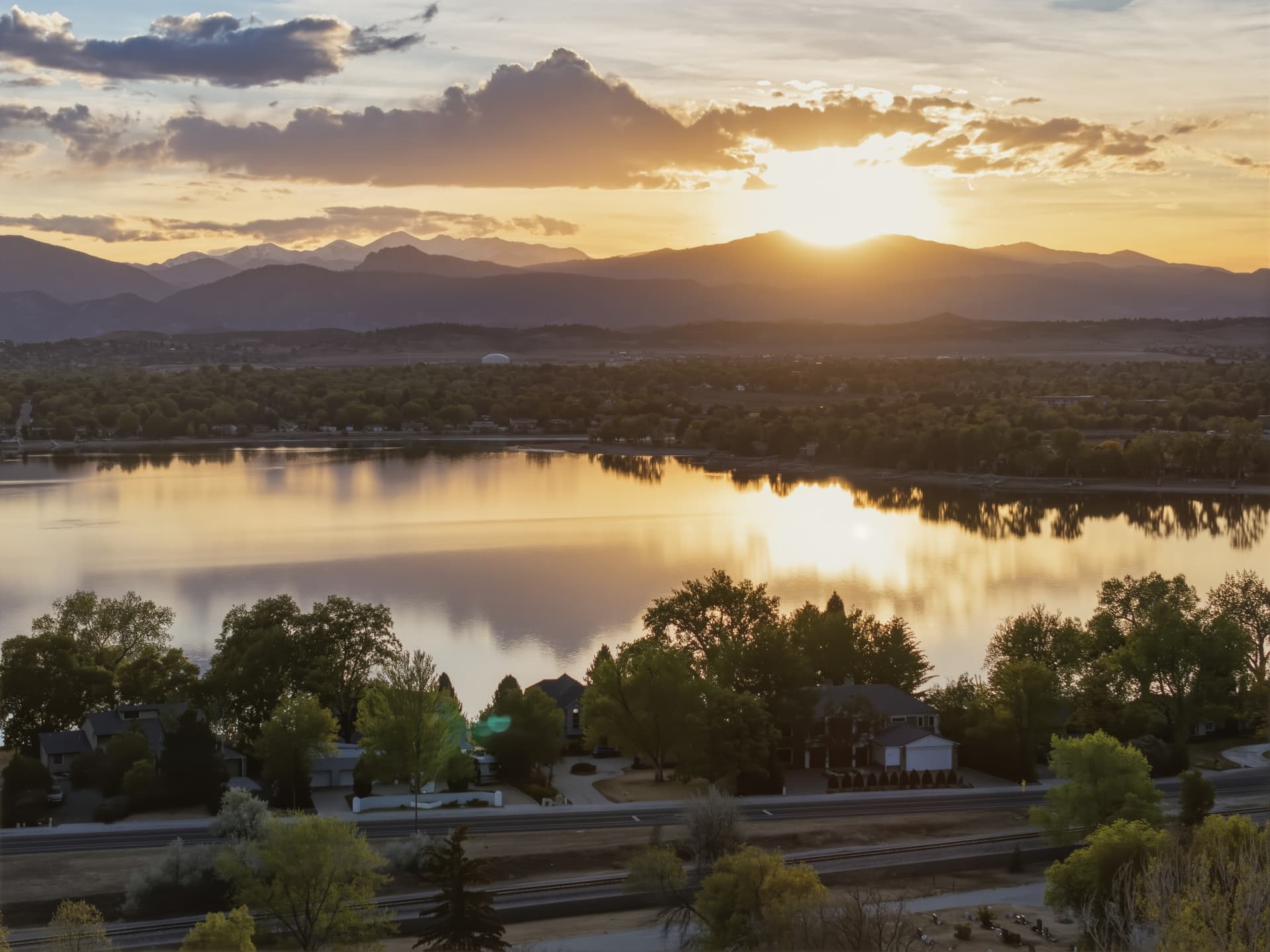
• Context & lifestyle (10–15 seconds): Show the setting that sells Northern Colorado—the back deck at golden hour, skis by the mudroom, a short drone reveal of acreage. This is where location creates desire.
• Closing (5–10 seconds): A quiet final frame that leaves a memory: a lighted window at twilight, a silhouette against the foothills, or the home from the lane as evening falls. End with a simple agent brand slate.
Practical shoot planning for Northern Colorado listings
Light-first scheduling
Prioritize the best natural light for each hero shot. Mountain light changes quickly—plan kitchen and living-room interiors for the soft morning or late afternoon light that flatters wood tones and stone. Reserve exterior and aerial windows around golden hour for warmth and definition.
Pre-shoot checklist for agents to send sellers
• Declutter key surfaces (kitchen counters, bedside tables, bathroom vanities).
• Clear exterior sightlines (move vehicles, tidy patios, mow/edge if possible).
• Turn on practicals: lamps, under-cabinet lighting, fireplace where safe to do so.
• Remove personal or polarizing items (excess family photos, political signage).
• Prepare small lifestyle touches: a neatly set place at the table, folded throws, or a coffee cup to suggest everyday life without staging.
Timeline notes
Allow extra time for cinematic film compared to a standard walkthrough—camera setups, lighting adjustments, and a few takes for motion shots add minutes but deliver materially stronger footage.
Shot list agents can use (core, not exhaustive)
• External establishing aerials (if site and regulations allow): wider context, property lines, and approach.
• Front door approach: slow gimbal move through entry.
• Kitchen hero: wider frame, then tabletop/still detail of material.
• Indoor-outdoor flow: door opening to deck or patio, capture flow of life.
• Primary suite: window view, bedside detail, walk-in flow.
• Special features: built-ins, wine room, cedar closet, mudroom workflow.
• Twilight exterior: if the property benefits from evening warmth, schedule a twilight capture for the closing frame.
Integrating agent branding without distracting
• Be concise. Your brand appears subtly: a short intro line on camera or a 3–5 second branded slate at the end preserves the film’s atmosphere while signaling authorship.
• Consistent wardrobe and tone: If you appear on camera, choose one or two neutral outfits that read well on film and feel local to Northern Colorado—layers, textured fabrics, and practical footwear create authenticity.
• On-camera reads: A single line that frames the property’s story—spoken naturally—works better than a long voiceover. When possible, record the agent audio on-site for authenticity; if not, a short, scripted voiceover recorded in a quiet space is effective.
Repurposing the film into assets that win listings and drive attention
• Short-form edits: Produce 6–15 second hero clips for reels, 30-second cutdowns for paid placements, and a full 60–90 second film for the listing page and email campaigns.
• Stills from the film session: Capture high-resolution frames for the MLS hero image, brochure, and social tiles—these keep visual consistency across channels.
• Aerial stills as context shots: Use one clear drone still to clarify lot size, orientation, and nearby amenities in the listing gallery.
• Teaser assets for social: Create a 6–10 second teaser for Instagram Stories and a 15–30 second vertical edit for Reels or TikTok focused on a single hero moment.
Examples by Northern Colorado property type (how to choose focus)
• Mountain retreats and cabins: Prioritize view-driven establishing shots and interior warmth—fireplace, natural finishes, and exterior approaches through the trees.
• Riverfront or lake properties: Emphasize water-facing lifestyle: morning light on the water, the dock as a hero moment, and outdoor seating that suggests ritual.
• Modern or architectural homes: Detail and negative space are the story. Shoot slower, isolate material junctions, and use precise camera moves that reveal craft.
• New builds and spec homes: Focus on flow and light—how families move through the layout. Use warmer staging accents to help buyers imagine living here.
Tradeoffs and candid considerations
• Time vs. budget: Cinematic films require more time on site and more post-production (color, sound design, editing). Be transparent with sellers about timelines and costs; present cinematic as a premium option with clear deliverables.
• Authenticity vs. aspiration: Avoid over-staging. The aim is to invite imagination, not to lie. If twilight shots or lifestyle props would mislead about finishes or views, choose truthful alternatives.
• Weather and seasonal limits: Northern Colorado light and weather can be an asset but also a constraint. Have contingency plans for both aerials and exteriors: a reserved alternate shoot day or an edit that leans more on interiors and details.
A final, practical checklist to take to your next listing meeting
• Decide whether cinematic is appropriate: Does the property sell on atmosphere, location, or craftsmanship?
• Book a light-first shoot window and reserve golden-hour exterior/aerials if needed.
• Send the seller the pre-shoot checklist and confirm staging expectations.
• Prepare a short shot list aligned to the property type and the story you want to tell.
• Plan deliverables: 60–90 second film, a 30-second cutdown, three 6–10 second social clips, and five hero stills.
Conclusion and next step
Cinematic property storytelling is a tool—powerful when matched to the right listing and executed with intentionality. For Northern Colorado agents, the region’s light and landscape give you distinctive story material; choose the film approach when atmosphere and context raise perceived value.
If you’d like help planning a media strategy for a listing, explore Helios Real Estate Media’s cinematic video and photography services, view related portfolio examples, or book a focused media strategy session for your next Northern Colorado listing.
Image direction
Prioritize authentic Helios photography and film stills from published Northern Colorado projects: an exterior establishing aerial at golden hour, a kitchen hero framed by natural light, a lifestyle vignette on a back deck, and a twilight closing shot that demonstrates honest atmosphere and material detail. Avoid generic stock imagery.