
Why “intentional” photography matters
A listing’s images are a buyer’s first conversation with a home. When photography is treated as documentation, it records rooms; when it’s treated with intention, it stages experience. Intentional photography clarifies what buyers should notice, sets expectations, and—crucially—guides the decision to request a showing.
This matters in Northern Colorado where landscape, season, and lifestyle cues (mountain light, foothill approaches, river access, or wide-open prairie) are often as important as interior finishes. Thoughtful imagery answers two questions at once: “What is this property?” and “What life could I live here?”
Plan the narrative before you schedule the shoot
• Define the primary buyer persona. Is this a weekend-ranch buyer, a family seeking top schools, a downsizing couple chasing single-level living, or a ski-country second-home buyer? The persona determines which spaces become story anchors.
• Pick one narrative thread. Not every listing needs every story. Choose the strongest single idea—views, craft, outdoor living, or design—and let the shoot support that through composition, light, and sequencing.
• Create a shoot brief. Include hero image direction, must-have architectural details, three lifestyle moments you want to imply, and any seasonal considerations (snow, floodplain visibility, irrigation canals, etc.). Share this with your photographer 48–72 hours before the call.
Prep that preserves authenticity
Good preparation doesn’t fake a home; it reveals it. Practical, agent-led prep reduces on-set decisions and keeps images honest.
• Declutter with intent: remove personal photos and excessive knickknacks, but leave a few curated items that suggest scale and use—a coiled rope by a mountain-entry bench, a basket of kids’ boots by the mudroom, or a simple vase on a kitchen island.
• Clear sightlines: open curtains for view frames that matter (mountain ridgelines, river corridors, mature trees). For Northern Colorado listings, a single wide window revealing foothills or a long prairie view can be the hero image.
• Stage one lifestyle vignette per key space: set a towel and boots by an entry, a coffee cup on a breakfast table, or a fire-lit stone hearth with neatly stacked wood. These small signals cue buyers to imagine living there.
• Coordinate timing with seasons: shoot exterior and aerial images when the property’s defining landscape reads best—green lawns and flowering shrubs in summer, golden aspen in fall, clean snow in winter—so the home’s strongest feature isn’t masked.
Composition and light: how choices shape perceived value
• Choose a focal anchor per image. Each frame should have a main subject (kitchen island, fireplace, master window seat) and secondary context. This helps viewers process the space quickly.
• Respect verticals and geometry. Keep lines straight; skewed verticals or over-wide lens distortion can make rooms feel off and reduce trust. When you do use a wide lens to show flow, pair it with tighter detail shots to communicate scale and finish.
• Use light to create hierarchy. Let natural light define primary planes—windows and views—while supplemental fill highlights material detail (stone, grain, hardware). In Northern Colorado, late-afternoon light through west-facing windows often creates warm, cinematic tones without the harsh contrast of midday.
• Make the hero image unambiguous. The lead photo should answer the most important buyer question (view? yard? remodeled kitchen?). If your property’s value is the mountain panorama, don’t lead with a tight interior shot.
Cinematic choices that don’t feel cinematic
Cinematic photography is not about filters; it’s about intentional pacing and composition.
• Build a visual arc: open with context (a composed exterior or approach shot), move to living spaces that reveal flow, then finish with intimate detail shots that reinforce quality. The sequence should feel like walking through the home.
• Use shallow depth selectively. A slightly shallower depth can draw attention to architectural details and lifestyle elements while keeping the rest of the room readable.
• Add motion thoughtfully. A gently blurred fireplace or a draped curtain in a breeze implies life without staged actors.
Tailoring media by property type in Northern Colorado
• Mountain and foothill homes: emphasize approach, elevation, and view corridors. Include a composed exterior with a visible horizon; interior shots should prioritize windows and outdoor connections.
• River, lake, and waterfront properties: show access and water relationship first—docks, riparian edges, and site lines to the water. Interior hero images should include views framed by thresholds.
• New construction and high-end remodels: texture and finish are the story. Tight detail shots of cabinetry, tile transitions, and hardware build credibility; complementary wide shots demonstrate flow.
• Urban condos and in-town homes: context and lifestyle matter. Capture nearby streetscape, walkable amenities, and building entries to sell proximity as part of the property’s value.
• Ranches and acreage: aerial context clarifies scale. Complement acreage shots with sequence images—pasture-to-barn, main house approach, and a lifestyle image (saltbox bench, tack room detail).
Sequence, deliverables, and how to use them
A listing’s media package should be designed for modern attention patterns.
• Primary hero (1): single image that leads on MLS and paid placements.
• Secondary set (8–12): a curated gallery that tells the narrative—exteriors, principal gathering spaces, master suite, kitchen, outdoor rooms, and two to three detail shots.
• Social-ready crops and short clips: square and vertical crops for Instagram/Facebook and 15–30 second cinematic clips to use as listing teasers or story posts.
• Drone stills (where relevant): one contextual aerial and one close-in roofline/dramatic shot. Use aerials to resolve buyer questions about lot, approach, and context.
Branding and agent presence
Integrate consistent brand cues into deliverables without distracting from the home.
• Subtlety wins: a small logo on one social-specific post is fine; avoid watermarking every listing image in MLS where it can appear unprofessional.
• Include agent-curated lifestyle images: a single, well-executed agent-in-place shot (on the porch, holding a set of keys) humanizes the listing and supports agent branding in social content.
• Keep color and tone consistent across listings in your portfolio so your brand is recognizable when buyers scroll through profiles or feeds.
What to brief your photographer (quick checklist)
• Property type and primary buyer persona
• Hero-image direction and three must-capture moments
• On-site point person and staging contact
• Best natural light windows and any timed fixtures (e.g., pool lights, heated driveway) to capture
• Drone clearance or airspace constraints
Common tradeoffs and how to choose
• Time vs. detail: adding 30–60 minutes for detail and lifestyle vignettes usually yields higher conversion than chasing ten extra exterior angles.
• Twilight vs. true-day hero: twilight can elevate curb appeal but can also misrepresent interior lighting; choose twilight only when exterior lighting is a clear selling point and you plan to show daytime interiors elsewhere in the gallery.
• Wide vs. honest focal lengths: wider lenses show flow, but overuse can mislead on room proportions. Balance wide room shots with mid-range detail frames.
Practical next steps for your next Northern Colorado listing
1. Build a one-page shoot brief focused on persona, hero image, and three lifestyle moments. 2. Schedule the shoot for the best natural light for the hero image (late afternoon for west-facing views; morning for east-facing). 3. Ask for a deliverable set that includes MLS-sized hero, a curated gallery (8–12 images), drone stills (if site-relevant), and social crops.
If you want to see how this comes together, explore Helios Photos to view curated portfolio examples and book a media strategy call designed around your next listing’s story. When photography is planned with intention, it becomes a foundational piece of a listing narrative—not just a record of rooms.
Image direction
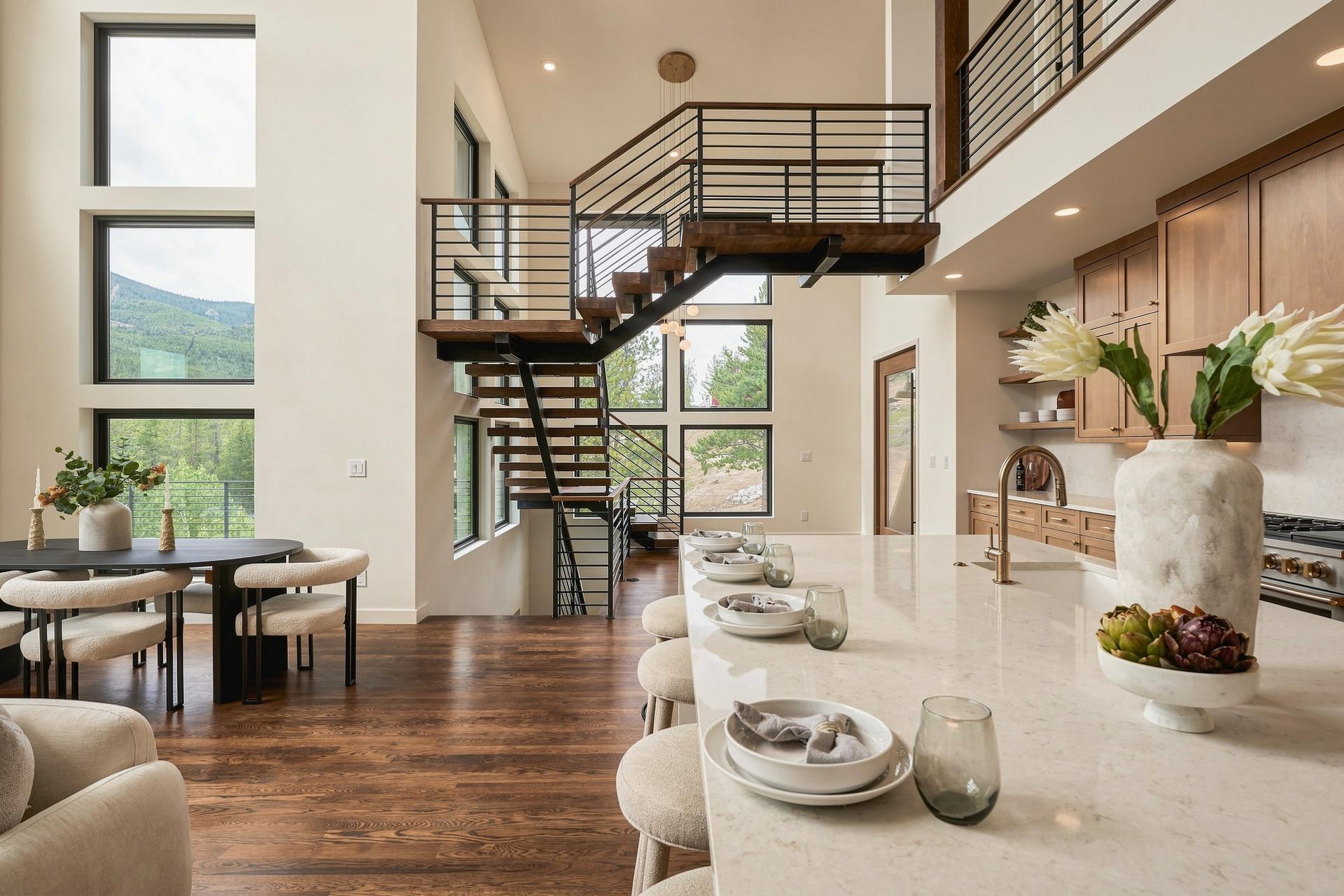
Select Helios photography and film stills that demonstrate: a clear hero composition with a Northern Colorado vista, a kitchen shot with natural late-afternoon light, a composed exterior approach, one lifestyle vignette (boots/coats/mug), and a detail image that shows materiality.