
Overview
A single, well-composed aerial frame can do three things ground photography rarely can: show scale, reveal context, and stage approach. In Northern Colorado — where foothills, river corridors, ranch parcels, and planned communities all compete in a buyer’s imagination — aerials help buyers understand not just the house, but the place the house occupies.
But aerials are a tool, not an automatic upgrade. The difference between an impactful drone capture and an expensive aerial photo is intention. Below are practical strategies to help you choose the right aerial approach, brief pilots effectively, prepare a property, and convert captures into a cinematic listing that supports your brand.
---
When aerials matter (and when they don’t)
Use aerial media when the image will answer a buyer’s unspoken questions about the property:
• Large lots, acreage, or parcels where boundaries, pastures, or irrigation patterns define value.
• Properties with compelling approach or arrival sequences — long driveways, tree-lined entries, or ridge-top settings.
• Homes with landscape or site features not visible from the street: outbuildings, pool terraces, panoramic mountain vistas, or river frontage.
• New developments and master-planned communities where proximity to parks, trails, or transit is a selling point.
Skip routine aerials for small urban condos or tightly built infill lots where the drone view adds little beyond what a map can provide. In those cases, allocate budget to interior photography, twilight, or a strong agent-branding video.
---
How aerials shape buyer psychology
Aerials do subtle psychological work:
• Context reduces friction. When buyers instantly see where a property sits in relation to landmarks or natural features, they form a more concrete mental model — which reduces hesitation.
• Scale communicates exclusivity. Aerials that reveal acreage, separation from neighbors, or uninterrupted views help buyers perceive privacy and prestige.
• The reveal triggers curiosity. A cinematic aerial approach (wide-to-close) primes viewers emotionally before interior images complete the story.
Design aerial media to answer questions the first scroll raises: How big is the lot? What are the views? How private is the setting?
---
Practical shot list and sequencing for cinematic results
When you work with a pilot or a production team, prioritize a concise shot list. For a standard property we recommend capturing these cinematic building blocks:
1. Wide establishing orbit: a slow, cinematic 180–360 degree orbit at a modest altitude to show context and immediate landscape.
2. Long approach reveal: a distant-to-close flight along the property’s approach or driveway that resolves into the house.
3. Roof-and-footprint stills: vertical/top-down images to clarify roof condition, patio layouts, pool footprints, and usable outdoor space.
4. Low passes for life: a low, lateral pass over front or backyard to convey scale and flow between house and exterior amenities.
5. Vista hold: a static or slow-moving shot framed for sunset or golden hour when views toward the mountains or river are strongest.
6. Short verticals: 9:16 clips (6–12 seconds) framed for Reels and Stories — a reveal or reveal-to-detail works best.
Shot sequencing
Sequence these shots to support a narrative: context → approach → detail → lifestyle. That order turns raw footage into a simple cinematic arc.
---
Briefing the pilot: clarity beats complexity
A short, clear brief saves time on-site and increases usable deliverables. Include:
• Primary objectives: context, boundary, lifestyle, or technical inspection.
• Mandatory shots (use the list above) and preferred orientations (N-facing views, down-valley, etc.).
• Timing constraints (golden hour, blue hour, or midday for roof details).
• Safety notes: neighbors to avoid, pets, or low-hanging wires.
• Output specs: resolution, aspect ratios (16:9 for film, 9:16 for social), and still requirements.
If your pilot is also a cinematographer, ask about composition and whether they can deliver both stills and stabilized cinematic clips. When hiring a third party, confirm licensing terms and file delivery windows up front.
---
Property prep checklist for aerial success
The smallest details show at altitude. Run this short checklist before the drone arrives:
• Remove visible vehicles from driveways and curbside.
• Mow or edge lawns and tidy garden beds — aerials exaggerate clutter.
• Hide trash bins, hoses, and construction materials.
• Arrange outdoor furniture neatly; orient chairs toward views where possible.
• Check roof and gutters for obvious debris if you plan to include roof stills.
• Notify neighbors and secure any required permits or HOA approvals.
Clear communication with sellers and neighbors reduces interruptions and protects your flight window.
---
Legal, safety, and ethical considerations
Local flight rules, temporary flight restrictions, and HOA policies vary. Work with licensed pilots who carry insurance and understand local ordinances. When using aerials to show boundaries or easements, add a disclaimer: aerial images are for illustrative purposes and not a substitute for a survey.
---
Media strategy by property type (Northern Colorado examples)
• Ranch & acreage: Prioritize large-scale establishing orbits, top-down parcel stills, and approach reveals that show access and pasture layout.
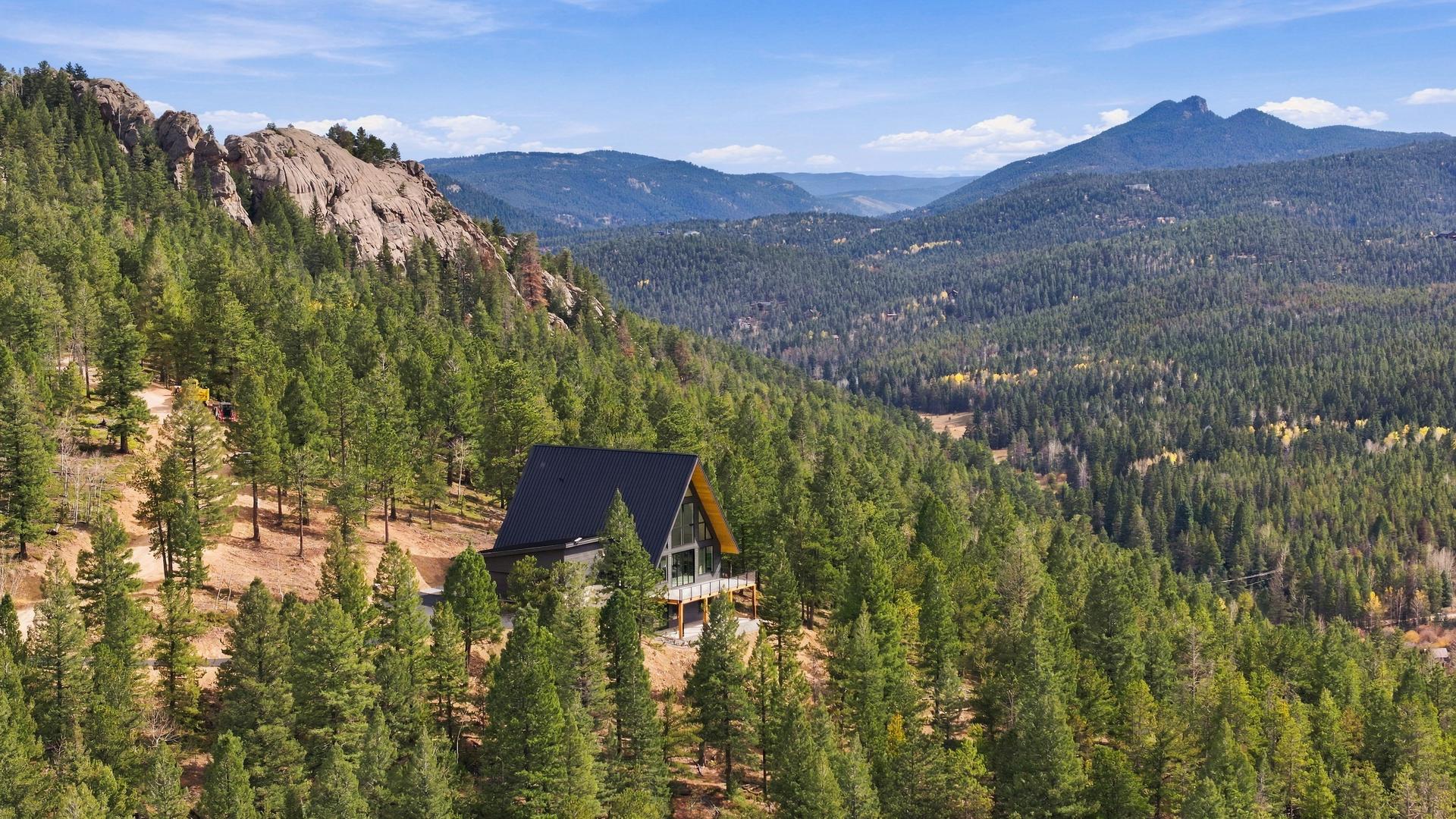
• Mountain homes and foothill retreats: Time vista holds for late afternoon light; include slow lateral passes to show slope and view corridors.
• Riverfront or water-edge properties: Combine low passes along the waterline with top-down stills to clarify floodplain vs. usable shoreline.
• New builds and developments: Use aerials to show lot progress, community context, and proximity to amenities. Consider animated map overlays to illustrate walkability to parks or schools.
• Urban and infill: Reserve aerials for roofline or neighborhood context shots; focus on walkable location and nearby urban assets rather than acreage.
---
Repurposing aerials for listings and agent branding
Aerial captures are exceptionally versatile. Simple repurposing ideas:
• MLS hero image: Choose a single, high-resolution aerial still that clarifies context faster than any map.
• Listing video opener: Use a 6–12 second aerial reveal as the first act of a cinematic film.
• Social-first verticals: Cut 9:16 reveals for Reels, paired with branded lower-thirds and a concise caption about the home’s defining asset.
• Agent branding: Create a short, consistent aerial opener (same color grade, logo placement, and typography) that becomes a recognizable introduction across your inventory.
Keep edits short, intentional, and matched to the platform. A single aerial clip can spawn five distinct assets if you plan delivery specs ahead of the shoot.
---
Tradeoffs and budget thinking
Aerials add production cost and coordination. When budgets are limited, prioritize shots that answer the biggest buyer questions: does the lot feel private? are views meaningful? is the approach memorable? If those answers are “no,” invest in interior storytelling or twilight instead.
Always weigh the marginal value of an aerial against other media: a single twilight hero may outperform a generic top-down if the house’s selling point is interior light and finishes.
---
Conclusion
Drone footage is powerful when it resolves a buyer’s uncertainty and strengthens the listing’s story. Frame aerials as a communication tool — not decoration — and design each aerial deliverable to answer a specific market question.
If you’re preparing a Northern Colorado listing and want an aerial plan tailored to the property type, light, and marketplace, explore Helios’ aerial services, review related portfolio examples, or book a media strategy conversation to plan the right mix of photography, film, and drone captures for your next listing.